Bio: Sh. Muhammad al-Harraq – سيدي الشيخ محمد الحراق
Sayyidi Shaykh Muhammad Al-Harraq
b. 1186 – d. 1261 H. in Tetuan (… CE)
الشيخ سيدي محمد الحراق
.
﷽
Took the Shadhili Tariqa from Imam al-Dirqawi
Took the Shadhili Tariqa from Imam al-Dirqawi
عربي
From aljounaid.ma (wayback)
هو في العلم بحرٌ واسع المجال، وفي التصوف لسان ناطق بالحال، اجتمعت فيه حسن الخصال، وعلا اسمه شامخا كالجبال، أما طريقت فقد تعاقبت عليها الأجيال، إنه الدرقاوي الشاذلي، سليل الدوحة الشريفة، صاحب الصولة الكبرى، والرتبة القصوى في علوم الظاهر الفقيه والعالم الصوفي: “أبو عبد الله سيدي محمد بن محمد بن عبد الواحد بن يحيى بن عمر الحسني العلمي الموسوي”،[1] ينتمي نسبة إلى سيدي الحاج موسى بن سيدي مشيش أخي مولاي عبد السلام”.[2]
ولد سيدي محمد الحراق سنة 1186ﮪ ونشأ بمدينة شفشاون، حيث عاش في كنف أسرة صالحة متدينة، ربّته على مكارم الأخلاق، وطلب العلم، والمحافظة على روابط الشريعة، فكان وعاءا مهيئا لجميع مشارب العلوم، وقد تنبه أبوه لحماسته، وشغفه بالعلم، وكذا فطنته وسرعة بداهته في التعلم منذ صغره، فقرر مرافقته إلى جامع القرويين بفاس، قصد استكمال تعليمه والارتشاف من بحر العلوم هناك، إلى أن أتمّ دراسته، فأصبح بعد ذلك عالما جليلا، ذو شهرة ومكانة كبيرتين، يحضر مجالسه العلمية كبار العلماء وأعيان البلاد، وطلاب العلم، والفقراء، مما جعل السلطان مولاي سليمان العلوي، يعينه خطيبا ومدرسا بالمسجد الأعظم بتطوان، خاصة حين سمع برِفعة شأنه، وعلو همته، وغزارة علمه.
“كان فقيها مدرسا له معرفة بالفقه وأحكامه، والحديث والسير والأصول، تصدر لنشر العلوم بمدينة تطوان مدة طويلة، وانتفع بعلومه خلق كبير…، وله أنظام في الحقيقة، ومذكرات بالطريقة، شهيرة شهرة شمس الظهيرة،… وكانت همته رضي الله عنه في جميع الأمور عالية..، متواضعا في لباسه..، ويأكل ما تيسر من الطعام، مع ما كان عليه من الكرم والمواساة…”،[3] إلا أن بعض النفوس الخبيثة والحسودة،لم يهدأ لها بال، فتآمرت عليه، ودبرت له المكايد، وَصَلَت لحد الطعن في شرفه، والتفكير في قتله، فقد أصابه المرض من شدة الأسى على ما كيد له، وقد تمكنوا من ذلك، حيث “…سُلب الشيخ من جميع مناصب الإمامة والخطابة والتدريس والفتوى، وأن لا يتعاطى شيئا مما كان له”،[4] لكن صبره على تلك المكائد والمحن، زاده تقربا إلى الله، وتمسكا بمنهج العارفين المحتسبين، حيث أدت تلك الأحداث إلى “اشتغاله بالتصوف والانخراط في طريق القوم”،[5] حتى فاق أقرانه، وأصبح عالما صوفيا، من كبار أعلام التصوف، الذين جمعوا بين الشريعة والحقيقة، وتمكنوا من التوفيق بين الظاهر والباطن.
لقد سلك سيدي محمد الحراق طريق القوم على يد الشيخ مولاي العربي الدرقاوي، الذي طابت به نفسه، وتلاشت بصحبته أسقامُه، حيث “…لقَّنَهُ الأوراد، وبيّن له المُراد، ولم يأمره بخرق العادة، ولا كشف رأس ولا لبس مرقعة، وإنما حضّه على كثرة ذِكر الله، وجمع القلب على الله، وإخلاص العبودية إلى الله، وأذِن له في إعطاء الأوراد والتربية”،[6] وبذلك أخذ الشيخ محمد الحراق العبرة، وفهِم الحكمة، فتجرد من علمه الذي كان يفتخر به، وتغلغل في قلب الطريق، جاعلا علمه الغزير، مَطِيَّةً لخدمة النفس والفرد، خاصة وأن العلم هو باب معرفة الله ومفتاحها، يقول الشيخ سيدي محمد الحراق: “… فما فائدة هذا العلم والجاه، الذي لا يوصل صاحبه إلى الله، ولا يُعَرِّفُهُ مَولاه”.[7]
هكذا كان رضي الله عنه “إماما جليل القدر، مُتضلعا في علم الظاهر، انتهت إليه فيه الرياسة، مشاركا في فنونه من تفسير وحديث وفقه وفتوى، ومعقول بجميع فنونه، وأما الأدب والشعر؛ فكاد ينفرد بهما في عصره، ولما أخذ حظه من الظاهر، أنعم الله عليه بعلم الباطن، ليكون رحمة في البلاد، وقدوة للعباد..، ولقد كان رضي الله عنه أوحد أهل زمانه في علم الباطن، وحرر طريقة القوم بين الشريعة والحقيقة، حتى سهلها للسالك”،[8] وقد أسس طريقه على أربع قواعد: “ذِكر، ومُذاكَرة، وعِلم، ومحبة”.[9]
أما فنون القول، فقد كان له السبق في أهل زمانه، حيث اشتهر بأشعاره الصوفية، التي كانت لسان حَالِه، وعنوان وجده، فكانت كل قصائده حُبلى بمقاصد الشريعة، وبمناهج الطريقة، إذ تضمنت في طيّاتها الدعوة إلى الله، وتهذيب النفس، والحث على التشبث بالمنهج الصوفي، بعبارات وإشارات جامعة، تنير طريق السالك والمريد، يقول عبد القادر التليدي: “…كان ينظم الشعر الرقيق ويقول الأزجال حول الحضرة الإلهية، والجناب النبوي الكريم، حتى ترك لنا ثروة عظيمة في الشعر الصوفي الرقيق المؤثر، وقد جُمع في ديوان خاص …، حيث أصبح من الدعاة إلى طريق القوم المربين للمريدين المنقطعين إلى الله عز وجل”.[10]
يقول في بعض أبياته:
أما مؤلفاته فنذكر من بينها: “تعليقه على المشيشية، وشرح حكم ابن عطاء الله وغيرها؛ ورسائل كثيرة كتبها لمريديه، جمعها تلميذه الشيخ محمد بن العربي الدلائي في كتابه النور اللامع البراق في التعريف بالشيخ الحراق…،كما جمع ابن القاضي نوازل وفتاوي الشيخ الحراق في جزء وتتبع تعاليقه”،[12] إضافة إلى حكم بليغة، وتقاييد عديدة، على بعض الآيات الكريمة.
من أقوال وحكم سيدي محمد الحراق:
• “إني ربحت من باب الفضل، فلا أدل إلا عليه، وما من شيخ إلا يدل على السبيل الذي مر عليه ولا يوصل إلا إلى المقام الذي انتهى إليه.
• لو كنت أعلم أحدا بقُنَّةِ جبل يريد الوصول إلى الله، لأتيت إليه، وأخذت بيده ابتغاء مرضاة الله وترغيبا للإقبال على الله.
• ما رأيت أنفع لقلب المتوجه الصادق من ذكر الله.
• إن الهمة العالية هي التي لا ترضى بدون الله، إذ ليس وراء الله وراء.” [13]
هكذا اشتهرت طريقة سيدي محمد الحراق الدرقاوية الشاذلية، رضي الله عنه في جُل ربوع البلاد، خاصة بمناطق الشمال، حيث أخذ عنه العديد من المريدين، وسلكوا طريقه السالكين المحبين.
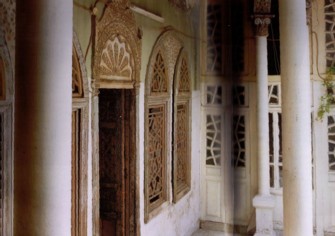
توفي رحمه الله عام 1261ﮪ ودفن بتطوان بزاويته المشهورة، الزاوية الحراقية، وهي لا زالت لحد الآن، مزارا لمريديه، وكافة الزوار الذين عرفوا قدره، وسمعوا بسيرته الطيبة.
الهوامش:
[1]– سلوة الأنفاس، إدريس الكتاني، تحقيق: عبد الله الكامل وحمزة بن محمد الطيب ومحمد حمزة علي الكتاني، دار الثقافة ، ط1/2004، 1/389.
[2]– المطرب بمشاهير أولياء المغرب، عبد الله بن عبد القادر التليدي (950ھ)، دار الأمان للنشر والتوزيع، ودار البشائر الإسلامية- الرباط، ط 4/2003، ص:229 .
[3]– عمدة الراوين في تاريخ تطاوين، أبو العباس أحمد الرهوني، تحقيق: جعفر بن الحاج السلمي، ط 2003م، مطبعة الخليج العربي-تطوان، ج:4، ص ص:172-183.
[4]– المطرب، ص:230.
[5]– المصدر السابق، ص:231.
[6]– من أنوار تجليات الملك الخلاق، محمد الحراق، تحقيق: عبد السلام العمراني الخالدي، ط:1 /2007، دار الكتب العلمية- بيروت، ص: 11.
[7]– المطرب، ص: 230.
[8]– عمدة الراوين، ج:4، ص ص: 177-179.
[9]– من أنوار تجليات الملك الخلاق، ص: 4.
[10] – المطرب، ص: 231.
[11] – ديوان محمد الحراق، محمد الدلائي الرباطي، نشر وتقديم: ابن الحاج السلمي، ص: 10.
[12] – معلمة المغرب، الجمعية المغربية للتأليف والترجمة والنشر، مطابع سلا، 2005، 10/3364.
[13] – عمدة الراوين، ج:4، ص:170-177.
شيخ الطريقة ولسان الحقيقة
سيدي محمد الحراق 1186-1261ﮪ
لكريمة بن سْعاد
باحثة مساعدة بمركز الامام الجنيد للدراسات والبحوث الصوفية المتخصصة
سيدي محمد الحراق 1186-1261ﮪ
لكريمة بن سْعاد
باحثة مساعدة بمركز الامام الجنيد للدراسات والبحوث الصوفية المتخصصة
يقول في بعض أبياته:
|
وكُن مُفلِسا عن رُؤية الكَون كُلِّـه إلى أن ترى ما كنت من قَبُل عاريا وتُبصر ربًّا قد أحاط بما تـــرى وتنظر نورا فائضا مـن حقيقــة |
تكن بإِلَهِ العـرشِ أغنى البريـةِ بفكرك منه نفس عيـن الحقيقـة وجودا على التحقيق في غير مِرية تلون ألوانا لإظهـار حكمة.[11] |
من أقوال وحكم سيدي محمد الحراق:
• “إني ربحت من باب الفضل، فلا أدل إلا عليه، وما من شيخ إلا يدل على السبيل الذي مر عليه ولا يوصل إلا إلى المقام الذي انتهى إليه.
• لو كنت أعلم أحدا بقُنَّةِ جبل يريد الوصول إلى الله، لأتيت إليه، وأخذت بيده ابتغاء مرضاة الله وترغيبا للإقبال على الله.
• ما رأيت أنفع لقلب المتوجه الصادق من ذكر الله.
• إن الهمة العالية هي التي لا ترضى بدون الله، إذ ليس وراء الله وراء.” [13]
هكذا اشتهرت طريقة سيدي محمد الحراق الدرقاوية الشاذلية، رضي الله عنه في جُل ربوع البلاد، خاصة بمناطق الشمال، حيث أخذ عنه العديد من المريدين، وسلكوا طريقه السالكين المحبين.
توفي رحمه الله عام 1261ﮪ ودفن بتطوان بزاويته المشهورة، الزاوية الحراقية، وهي لا زالت لحد الآن، مزارا لمريديه، وكافة الزوار الذين عرفوا قدره، وسمعوا بسيرته الطيبة.
الهوامش:
[1]– سلوة الأنفاس، إدريس الكتاني، تحقيق: عبد الله الكامل وحمزة بن محمد الطيب ومحمد حمزة علي الكتاني، دار الثقافة ، ط1/2004، 1/389.
[2]– المطرب بمشاهير أولياء المغرب، عبد الله بن عبد القادر التليدي (950ھ)، دار الأمان للنشر والتوزيع، ودار البشائر الإسلامية- الرباط، ط 4/2003، ص:229 .
[3]– عمدة الراوين في تاريخ تطاوين، أبو العباس أحمد الرهوني، تحقيق: جعفر بن الحاج السلمي، ط 2003م، مطبعة الخليج العربي-تطوان، ج:4، ص ص:172-183.
[4]– المطرب، ص:230.
[5]– المصدر السابق، ص:231.
[6]– من أنوار تجليات الملك الخلاق، محمد الحراق، تحقيق: عبد السلام العمراني الخالدي، ط:1 /2007، دار الكتب العلمية- بيروت، ص: 11.
[7]– المطرب، ص: 230.
[8]– عمدة الراوين، ج:4، ص ص: 177-179.
[9]– من أنوار تجليات الملك الخلاق، ص: 4.
[10] – المطرب، ص: 231.
[11] – ديوان محمد الحراق، محمد الدلائي الرباطي، نشر وتقديم: ابن الحاج السلمي، ص: 10.
[12] – معلمة المغرب، الجمعية المغربية للتأليف والترجمة والنشر، مطابع سلا، 2005، 10/3364.
[13] – عمدة الراوين، ج:4، ص:170-177.
English
Sheikh of the Shadhili Tariqa and Voice of Truth
Sayyid Muhammad al-Haraq (1186–1261 H.)
By
Karima bint Su’ad
Assistant Researcher at the Imam al-Junayd Centre for Specialised Sufi Studies and Research
By
Karima bint Su’ad
Assistant Researcher at the Imam al-Junayd Centre for Specialised Sufi Studies and Research
Video
Youtube
الولي الشاعر محمد الحراق رحمه الله
محمد بن محمد بن عبد الواحد العلمي شاعر صوفي من فقهاء المغرب. له (ديوان العلمي) في طريقة ابن الفارض، وفيه تواشيح وأزجال، و(ديوان رسائل ومنظومات) في خزانة الرباط و(شرح الصلاة المشيشية) رسالة
Poetry
Diwan – aldiwan.net
The Ta’iyya: see
The Ta’iyya of Imam Al-Harraq
تائية الإمام محمد الحراق
Burial place
He is buried in his zaiwya in Tetouan.
t.b.d.
Categories: Islamic History 🞄 Tags: Sh. Al-Harraq 🞄 Language: English · عربي 🞄 Mediatype: Bio · Qasida · Youtube 🞄 Book type: Books - General 🞄 Bio type: Shadhili Personalities 🞄