Books
Card 7. Childhood and career of Sh. Ahmad Zarruq

﷽
Story
From the tabaqat:
His maternal grandmother took care of his upbringing. She was one of Allah’s Friends and a woman of righteousness and purity. When he reached four years of age, she had had him memorize the Qur’an. She thus brought him up through precept and the inculcation of perfection, until he grew up fond of worship and consistently recitating litanies.
At this point, he commenced seeking knowledge of the outward sciences, the pursuit of which occupied him until people pointed to him as an authority. He came to then teach these sciences, engage in circles of learning to admonish people, and deliver lessons. As a result, he became famous and scholars were drawn to him, basking in his pesence, and taking from his sciences and gnoses. After all this, Sufism became endeared to him, and he joined the path of the Sufis at the hand of the guide in spiritual wayfaring,
—
From unknown source:
On a beautiful Fajr morning on the 22nd of Muharram in the year 846 A.H (June 7th 1442 CE), in the village of Tiliwaan, was born a man the ‘Aarifeen would forever praise and look to for spiritual growth. His name was Ahmad ibn Ahmad ibn Muhammad ibn ‘Isaa Al Barnoosi Al-Faasi, known as Az-Zarruq. His parents died while he was one week of age due to a horrible outbreak known as ‘Azzunah. His maternal grandmother Umm Al-Baneen, a woman he would always express absolute love and gratitude for, raised him. Umm Al-Baneen had memorized the Qur’aan and studied Islaam. She was a Zaahida and raised her beloved grandson as one as well. Imaam Az-Zarruq describes his grandmother as such,
“She instructed me how to make Salaah and ordered me to do so at the age of five. At the same age she sent me to the kuttaab (Qur’anic School) and started teaching me about tawheed, tawakkul, eemaan, and deen in a curious method. One day she prepared food for me. When I came back from the Kuttaab for luch she said, ‘I have got nothing for you to eat. However, provision is in the treasure of the Almighty! Sit down and let us ask from Him!’ We stretched out our hands to the heavens and began praying to Allah . Then she said: ‘Go and look, aybe Allah has put something in the corner of the house.’ We began to search and how glad I was when I found the food! She said: ‘Come and let us thank Allah before we eat, so that our Lord may give us more from his Mercy!’ We thanked Allah and praised Him for an hour then we commenced eating. She used to do many times till I grew up.”
“Encouraging me to make Salah, she used to put a dirham on my pillow so that I might see it when I opened my eyes in the morning. She would say, ‘Make fajr then take the dirham.’ Her idea was that the dirham would gelp me to pray and keep me away from corruption and prevent me from looking at what is in other people’s hands when I desire to buy something.”
He continues to write, “After I had learned some chapters of the Qur’aan she began teaching me how to write and read. She would warn me against poetry saying, ‘He who neglects science and deals with poetry is like he who exchanges wheat for barley.’
His family were diligent in their remembrance of Allah as well as studies. When he was a child he sat in the market listening to some story-tellers when his uncle told him, ‘No one sits here save the idle!’ Shaykh Ahmad stated that he never listened to the story-tellers again. His grandmother sent him to be an apprentice of a cobbler. Later, however, at the age of sixteen Imaam Zarruq went to the epicenters of Islamic sciences in the west, the Qarawiyyeen University and the ‘Inaaniyyah college. There he studied Maaliki Fiqh, Hadith, Usool, and Arabic grammar. He had over 35 well known established scholars he sat under in these institutes. Some of them include Imaam Abdur-Rahmaan Ath-Tha’labi (died in 873 AH), Muhammad ibn Husain (As-Siraaj As-Saghir died 887 AH), Muhammad ibn ‘Ali Al-Bisti Al-Qalsaadi, and Abdur-Rahmaan Al-Qawri.
—
From Tabaqat
When Egyptian scholars and pious men heard about his arrival, they paid visits to him in delegations, kept his company and attended his lessons. He took up a lecturing post at the noble institute of al-Azhar, his classes there being attended by approximately six thousand people from Cairo and the surrounding areas of Egypt.
He performed the functions of imam of the Malikiyya, becoming the main teacher of the portico allocated to their school in al-Azhar. They set up a tall chair for him, resting on firm pillars and with a strikingly original and well-constructed shape. He would seat on it, deliver his lectures and enrich the attendees by his knowledge. Both free men and slaves benefited from his presence. This chair still exists until the present time by the portico of the Moroccan masters in the noble institute of al-Azhar.
He exercised tremendous influence and authority over the Emirs of Egypt, while all Egyptians, the elite and commonality alike, accepted him.
Bottom lines
1. Importance of (grand)mothers in the early formation of a child
2. Importance of learning Quran and practicing Awrad from young age
Illustration
– Child reading with Quran / Suhba
– Sh. on the minbar in Al-Azhar in front of a huge crowd
Card 8. Sh. Ahmad Zarruq’s first Shaykh, and his resque by Sh. Abul ´Abbas al-Hadrami
﷽
Story
From the tabaqat:
Sufism became endeared to Sayyiduna sh. Ahmad Zarrq, and he joined the path of the Sufis at the hand of the guide in spiritual wayfaring, our master ‘Abdullah al-Makki. From him he took the spiritual way, serving him continuously for some time.
While in his service, it so happened that one day when visiting his guide [‘Abdullah al-Makki] during the latter’s solitary retreat, he beheld two women of beautiful form in his guide’s company, one on his right and the other on his left. The wide appeared to turn now to this one and then to that one.
Upon seeing this, our master Zarruq whispered to himself: ‘This man is a heretic’, whereupon the teacher retorted: `Go away, you jew!’
Sidi Ahmad Zarruq thus went away, and it was as if his teacher had cast the descriptive attribute of a jew upon him. He wept on account of this, and beseeched Allah Most High, setting out for one of his beloved companions and requesting that he go to the teacher and seek to win his favour. His dear friend accompanied him to the teacher and tried to attract his sympathetic compassion back towards Zarruq. Al-Makki pardoned and accepted him, saying: ‘On condition you do not sit with us in a country where I happen to be in.’ Thereafter, al-Makki turned to him and said: ‘O Zarruq, the two women who appeared to be ambiguously unclear to you, and who resembled one another in your perception, are this world and the Next. This world desires my advancement towards it, and the Hereafter requires from me that I should approach it, but I do not turn attentively to the utterance of either of them.’
After this incident, our master Zarruq left the city of Fez and set out for Cairo, where he met up with our liege and master, Abu’l-‘Abbas al-Hadrami.
—
Sh. Zarrq met with our master Abu’l-‘Abbas al-Hadrami when he came to Cairo. He informed the latter of what had occured to him in the company pf ‘Abdullah al-Makki. Our master Abu’l-‘Abbas said to him: ‘What you received from him was fine; there is no harm in that.’ He then took Sidi Ahmad Zarruq with him to Cairo, instructed him in knowledge of Sufi covenants and litanies, and entered him into the solitary retreat [khalwa].
Sidi Ahmad Zarruq remained therein for a number of days until our master Abu’l-‘Abbas, while sitting in a circle of instruction with his disciples, stretched our his hand and screamed. He then instructed his students, saying, ‘Go to your Moroccan brother, since the blind serpent has caused the solitary retreat to crush down on him.’ (He said this is a reference to ‘Abdullah al-Makki, who was a blind man.)
His students hastened to the place our master Zarruq’s retreat, and found the debris [of the building] upon him. They took him out safely from under the building, with nothing harmful befalling him by the permission of Allah Most High.
The hand of our master Abu’l-‘Abbas, however, broke in the process. He said to Zarruq, ‘Allah rescued you from this blind bane, and he no longer has any authority ober you.’ Our master ‘Abdullah al-Makki had in fact stretched out his hand to dispose of our master Ahamad Zarruq from the city of Fez, out of his jealous attachment [ghayra] to him, and consequently wrecked the solitary retreat for him. Allah, however, delivered him through the blessing of our liege Abu’l-‘Abbas, and guarded him from his former guide.
Bottom lines
1.
2.
Illustration
–
Course: Arabic | Balagha Wadiha – البلاغة الواضحة
﷽
Teacher: Ustadha Umm Ayman
Teaching Language: English
Timing: t.b.d.
Text
Text
Audio
Course: Arabic | Nahw – Qatr al-Nida – قطر الندى
﷽
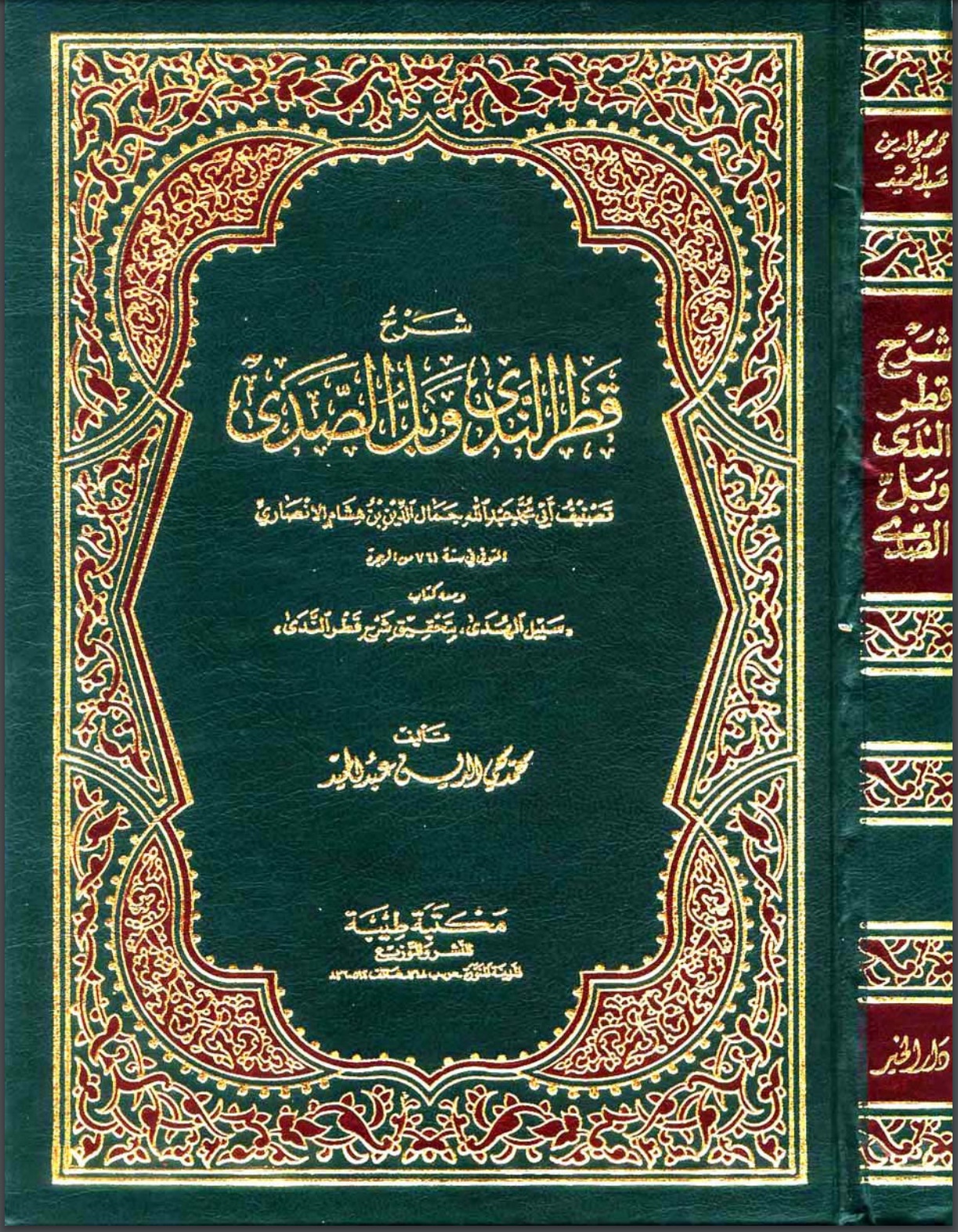
Teacher: Sh. Umm Ayman
Teaching Language: English/Arabic
[is logout]
Course: Arabic | Nahw Level 1 – Basic Course in I’rab
Nahw Level 1
Basic course in i’rab – Gerede Summer 2018
﷽
Teaching Language: English w/ summaries in Turkish
Pre-requisites: Ability to read Arabic, some basic vocabulary
Aim: To understand basic concepts of Arabic syntax (i’rab)
(more…)
Course: Taswawuf | Kitab al-Tanwir 2011
Kitab al-Tanwir
Write-ups and recordings of Sessions 2011
The Book of Enlightenment on Dropping Self-Management
By Sh. Ibn ‘Ata Allah al-Sakandary →
ابن عطاء السكندري : كتلب التنوير في إسقات التدبير
Arabic text | English transl. by Ibrahim Hakim
Teaching Language: English / Arabic (more…)
Dalail: Names of the Prophet Muhammad ﷺ
Names of the Prophet Muhammad ﷺ
The 201 names mentioned by Imam al-Jazuli in Dalail al-Khayrat, with English translation adapted to the Sharh of Imam ‘Abd al-Majid al-Sharnubi (rahimahu Allah)Damas
Welcome to Damas Cultural Society
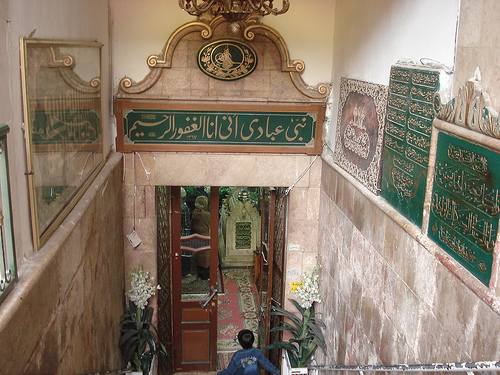
Entrance to the maqam of Al-Shaykh al-Akbar Muhyi al-Din Ibn al-‘Arabi in Damascus, Salihiyya. The tomb stone in the center of the picture belongs to Al-Amir Abd al-Qadir al-Jaza’iri
|
Damas Login as a Course Admin
Login to Damas Cultural Society
Forgot Password?
Damas Login as a Munshid
Login to Damas Cultural Society
Forgot Password?
Damas Login as a Shadhili
Login to Damas Cultural Society
Forgot Password?
Damas Login as a Student
Login to Damas Cultural Society
Forgot Password?
Damas Poetry Archive
Poetry Archive
Damascus | Darwishiyya Mosque Sandal Poetry
Damascus: Umawi Mosque
Burial place of the head of Prophet Yahya - `aleihi salam
Burial place of the head of Sayyiduna Husayn ibn Abi Talib radiya Allah `anhu
(more…)

Dikt: Amina väntar ett barn…
En dikt om Profeten Muhammads ﷺ liv
Allah's välsignelser och fred vare med honom av Ann-Catrin Nilsson
Denna dikt av Ann-Catrin Nilsson, tillägnad Profeten Muhammad (Allah’s välsignelser och fred vare med honom) kan med rätta kallas för vår första svenska “Mawlid”. (more…)
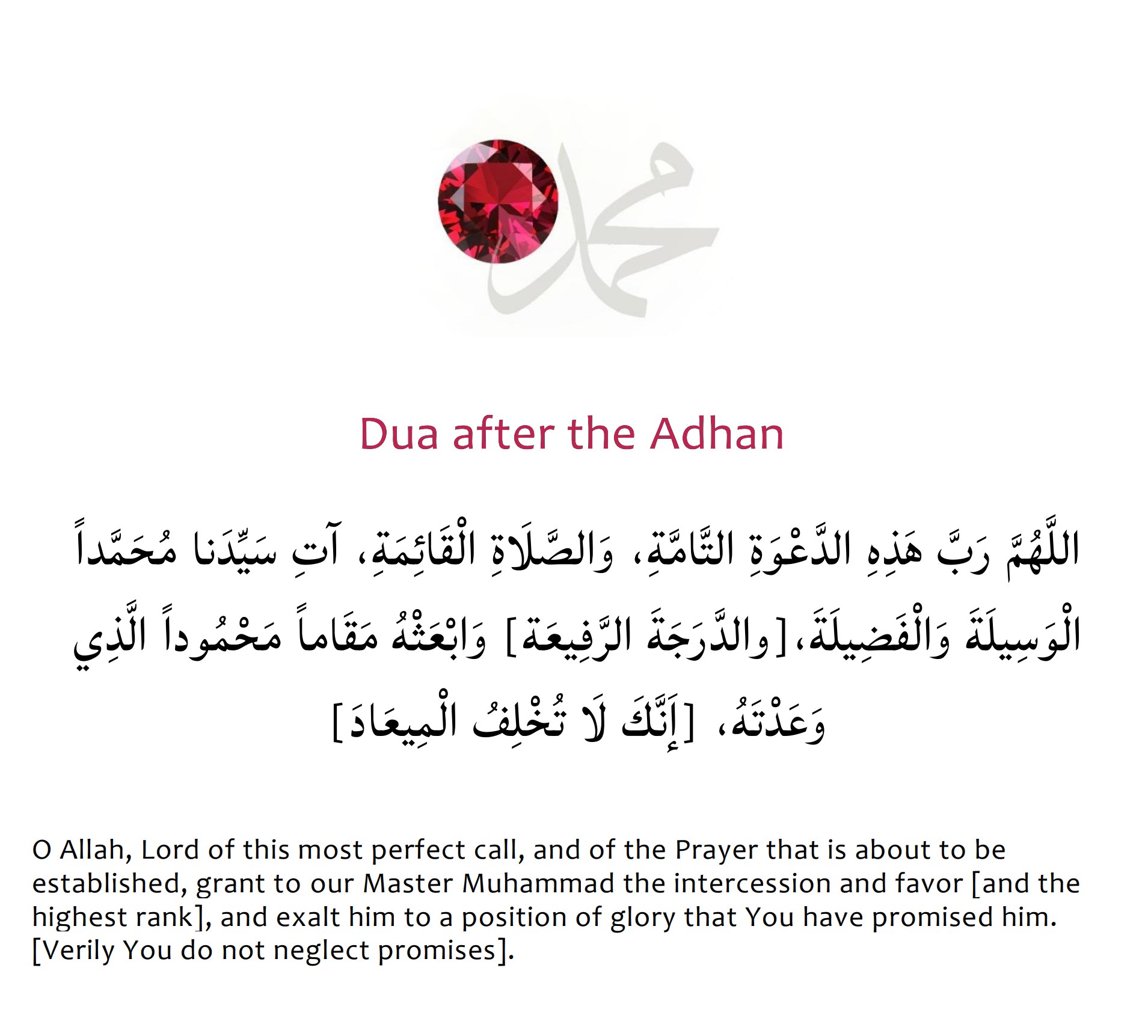
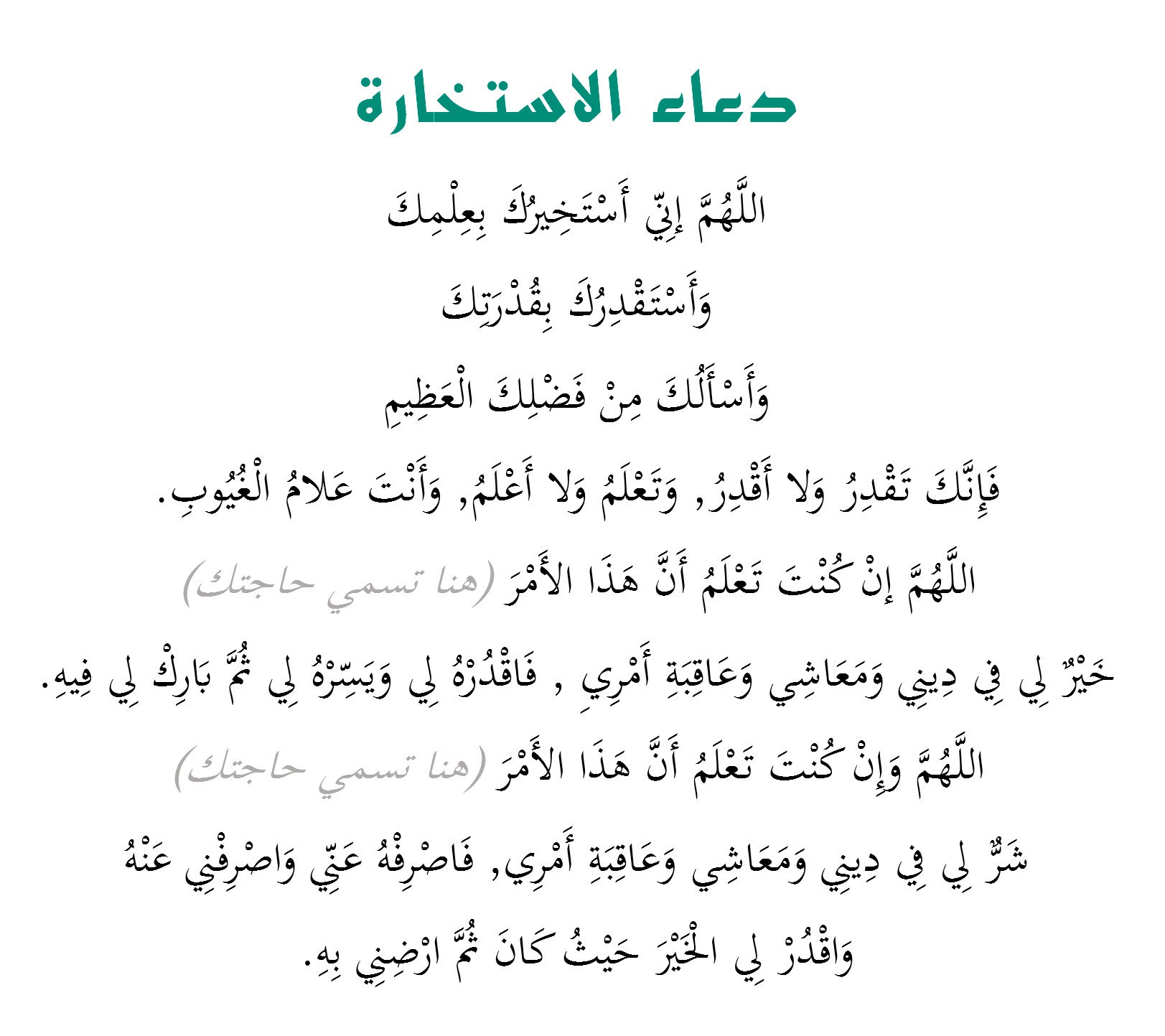



Dua | Layat al-Qadr – دعاء ليلة القدر
Laylatul Qadr Dua
Special Online Session - 10 May / Layat al-Qadr 1442With Shaykh Muhammad al-Yaqoubi ⇒
دعاء ليلة القدر مع العلامة الشيخ محمد أبو الهدى اليعقوبي

Education in the Era of Imam al-Nawawi
THE STATE OF EDUCATION IN DAMASCUS DURING THE ERA OF AL-NAWAWi’S
From a PdD thesis by Abdoullah al-Zouebi (Glasgow Univ. 1999) (more…)
Egypt: Humaythira
Humaythira
Place of burial of Imam Abul Hasan al-ShadhiliPassing of Imam Abul Hasan al-Shadhili - From Durrat al-Asrar: View
(more…)
Event | Sh. Muhammad Al-Yaqoubi: Dalai’il al-Khayrat Tour, UK 2023
Dala’il al-Khayrat Tour 2023
With Shaykh Muhammad Al-Yaqoubi
A 23 Events Tour through the UK, Istanbul and Marrakesh 2023
See also Dalail tour Diary on Scholarly Heritage
Event | Sh. Muhammad Al-Yaqoubi: Six-City Tour, UK 2018
Reviving the Prophetic Way – UK-tour 2018
With Shaykh Muhammad Al-Yaqoubi
A Six-City Tour in UK, February 2018
Organized by Women’s Muslim Colledge
Event | Sh. Muhammad Al-Yaqoubi: UK Tour 2017
Event | Sh. Muhammad Al-Yaqoubi: UK Tour 2026
Sh. Muhammad Al-Yaqoubi: UK Tour 2026
With Shaykh Muhammad Al-Yaqoubi
A 23 Events Tour through the UK and Scotland 2023
Fatwa on Smoking | Sh. Muhammad Al-Yaqoubi
The Legal Ruling on Smoking
Friday sermon delivered on the 8th August 2008By His Eminence Shaykh Muhammad Al-Yaqoubi ⇒
Hadith al-Hilya
Hadith: al-Hilya
In Shamail al-Tirmidhi and Qadi 'Iyad's ShifaIn Shamail al-Tirmidhi and Qadi 'Iyad's Shifa





Hadith Recital | Sahih Muslim – Damascus 2007
Recital of Sahih Muslim
with Sheikh Muhammad al-Yaqoubi in Damascus, Rajab 1428 (July 2007)
﷽
Khutimat bi hamdiAllah-i Jami’u Muslim
bi-jawfi Dimashq al-Sham, jawf al-Islam.
The book of Muslim has been completed, praise be to Allah
in the heart of Damascus of Sham, the heart of Islam. (more…)
